
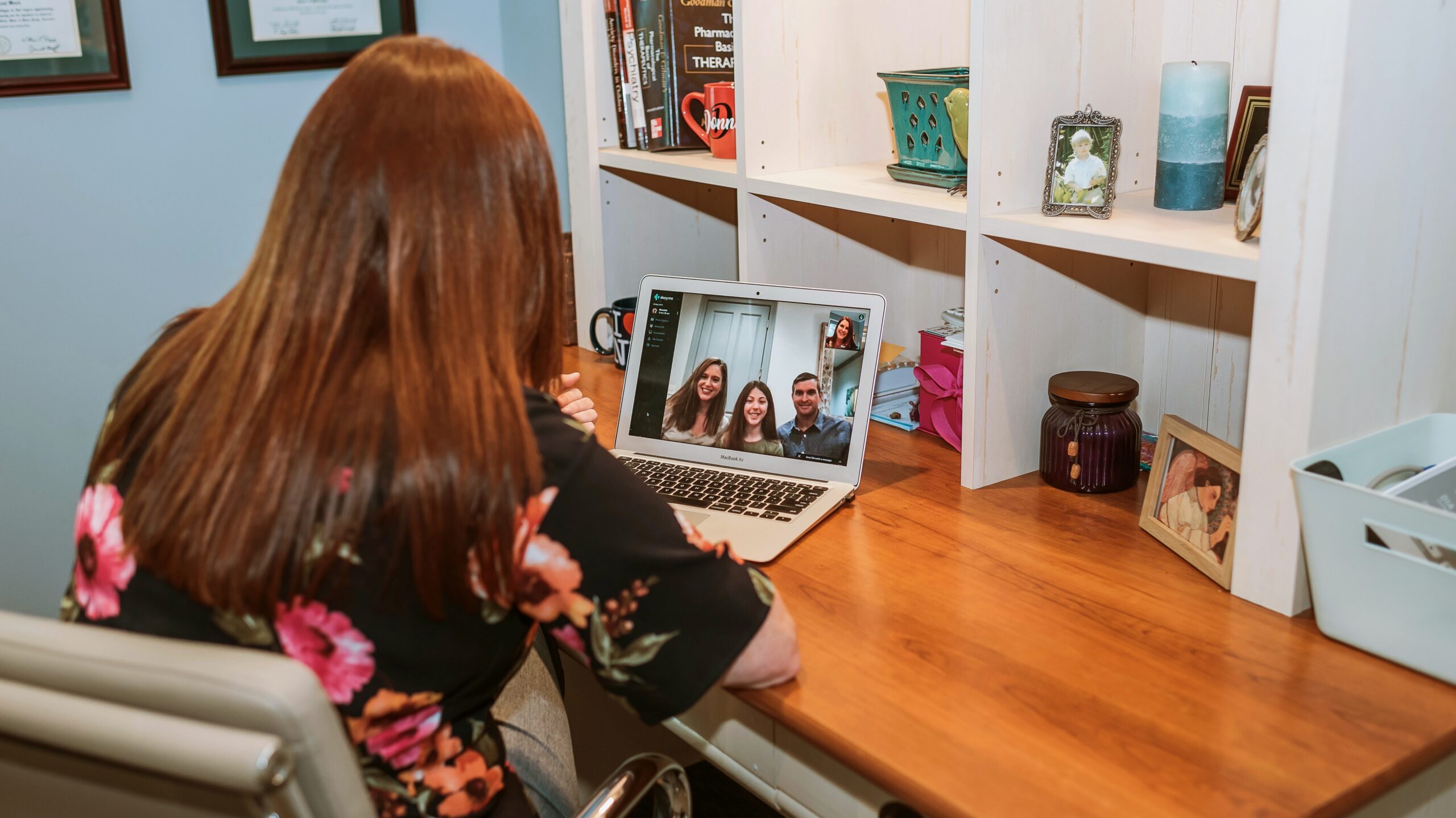
The Benefits of Teletherapy & Telemedicine: Why Online Behavioral Health Is Here to Stay
Just a few years ago, many people were skeptical about online therapy. Could meeting with a therapist through a computer screen really be as effective as sitting together in an office?
Then came the COVID-19 pandemic, and millions of people experienced teletherapy for the first time.
What surprised many patients, and even some therapists, was that virtual therapy worked remarkably well.
Today, teletherapy is no longer just a convenient alternative. For many people, it is actually the preferred way to receive mental health care.
Here are some of the biggest benefits of teletherapy and why it has become a permanent part of modern mental health treatment.
1. Telehealth Makes Therapy More Accessible
One of the greatest barriers to mental health care has always been access.
Some people live in rural communities where there are few, if any, mental health providers. Others have mobility limitations, chronic illnesses, transportation challenges, or demanding work schedules that make getting to an office difficult.
Teletherapy removes many of those barriers.
Instead of driving across town or taking time off work, patients can connect with their therapist from home, their office, or another private location. I often meet with parents who check their child out of school for an appointment, connect from the privacy of their vehicle, and then return their child to class afterward. What might have required missing half a day of school can often be accomplished in less than an hour.
For many people, that convenience is the difference between receiving treatment and going without it.
2. You Can See the Right Therapist, Not Just the Closest One
Before teletherapy became common, many people chose a therapist based primarily on location.
Today, you can often choose a therapist based on expertise instead.
If you are looking for someone who specializes in anxiety, trauma, ADHD, autism, parenting, or couples therapy, teletherapy gives you access to a much larger pool of qualified professionals.
Finding the right fit often matters more than finding the nearest office.
3. Teletherapy Saves Time
Think about everything involved in an in-person appointment.
You have to get dressed, drive to the office, find parking, sit in the waiting room, attend your session, and then drive home.
A one-hour therapy appointment can easily consume two or more hours of your day.
Teletherapy eliminates much of that extra time.
For busy professionals, parents, and caregivers, this can make it much easier to attend therapy consistently.
4. Many People Feel More Comfortable at Home
It may seem surprising, but many patients open up more easily during virtual sessions.
Being in a familiar environment can help people feel more relaxed and less anxious.
Some patients even appreciate having their favorite blanket, pet, or cup of coffee nearby while talking about difficult topics.
Comfort can make it easier to discuss emotions that might otherwise feel overwhelming.
5. Teletherapy Reduces Missed Appointments
Life happens.
Cars break down.
Children get sick.
Unexpected meetings come up.
Bad weather rolls in.
Teletherapy often makes it easier to keep an appointment despite life’s inevitable interruptions.
Higher attendance means greater consistency, and consistency is one of the keys to successful therapy.
6. Teletherapy Offers Greater Privacy
Some people worry about running into coworkers, neighbors, or acquaintances in a therapist’s waiting room.
With teletherapy, those concerns are greatly reduced.
Patients can attend sessions from a private location without ever stepping into a public office.
For some individuals, this added privacy makes it easier to seek help.
7. Research Shows Teletherapy Works
One of the biggest questions people ask is whether teletherapy is actually effective.
The answer is yes.
A large body of research has found that teletherapy can be just as effective as in-person therapy for many common concerns, including anxiety disorders, depression, post-traumatic stress disorder, and stress-related conditions.
While some situations still benefit from in-person care, virtual therapy has become an evidence-based treatment option rather than simply a temporary solution.
Is Teletherapy Right for Everyone?
Not always.
Some people simply prefer meeting face to face, and that is perfectly reasonable.
Certain situations may also require in-person care, including psychological testing, some crisis situations, or when a therapist determines that virtual treatment is not appropriate.
The best approach depends on your individual needs, preferences, and treatment goals.
Tips for a Successful Teletherapy Session
To get the most out of virtual therapy:
- Choose a quiet, private space.
- Use headphones if others are nearby.
- Minimize distractions by silencing notifications.
- Make sure your internet connection is reliable.
- Treat the appointment with the same commitment you would give an in-person visit.
- Give yourself a few minutes before and after your session to reflect rather than immediately jumping into work or household tasks.
Small changes can make a big difference in the quality of your experience.
The Bottom Line
Teletherapy has transformed mental health care by making it more accessible, more convenient, and more flexible than ever before.
For many people, it removes obstacles that once prevented them from getting help. For others, it simply makes it easier to fit therapy into an already busy life.
Whether you choose to meet in person or online, the most important step is reaching out for support.
The best therapy is the therapy you are able to attend consistently with a clinician you trust. That combination, not the location of the appointment, is what leads to meaningful and lasting change.
How We Can Help
At Aucoin & Associates Psychology Practice, we understand that life is busy and unpredictable. That’s why we proudly offer secure, HIPAA-compliant teletherapy and telemedicine to individuals and families across Louisiana. Whether you’re seeking therapy or medication management, our virtual options bring expert care to you—no commute necessary.